Industries / Healthcare & Care
Real garments, real pricesHealthcare & Care workwear
Tunics that survive hot, frequent washing and still look professional on the hundredth cycle — not just the first.
Industries / Healthcare & Care
Real garments, real pricesTunics that survive hot, frequent washing and still look professional on the hundredth cycle — not just the first.
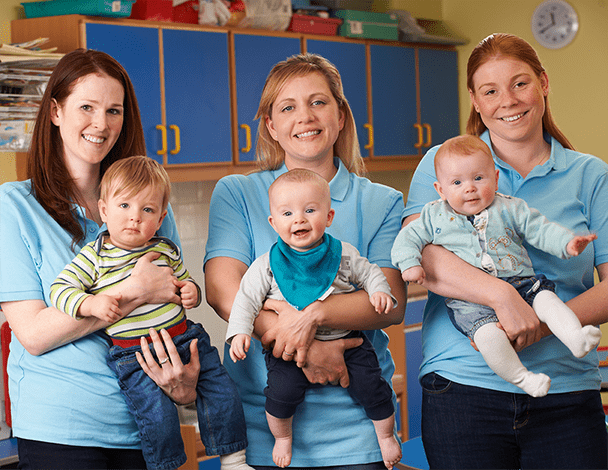
Real TWW workwear in use in a care setting.
Tunics and scrubs in this sector get washed hot, and often, because hygiene isn't optional. That means fabric choice matters more here than almost any other trade — something that fades or thins after fifty washes stops looking professional long before it wears out.
What we build most often for healthcare and care teams — real TWW products, priced individually below.
Each person gets
£67.95per head, garments only — logo priced separately
Care home team: colour-coding by role, ordered as a standing spec so replacements always match.
Domiciliary/home care: a lighter, more casual tunic option often suits visiting-care roles better than clinical-style scrubs.
Nursery and childcare: the same durability logic applies — frequent washing, all-day wear, comfort matters.
Polyester-cotton blends generally hold colour and shape through 60°C+ washes better than pure cotton, which is why most healthcare tunics use them.
It's common practice and genuinely useful — role colour-coding helps both colleagues and visitors identify who to approach for what.
Three sets per person is a common standard given daily wear and hot washing — enough that laundry cycles never leave someone short.